Private label rolling papers start with a choice that your designer cannot make from a logo alone: which booklet are you asking them to design? Tips, closure style and box quantities belong in the brief before anyone starts placing artwork. Settling those details first gives purchasing and design the same product to work towards.
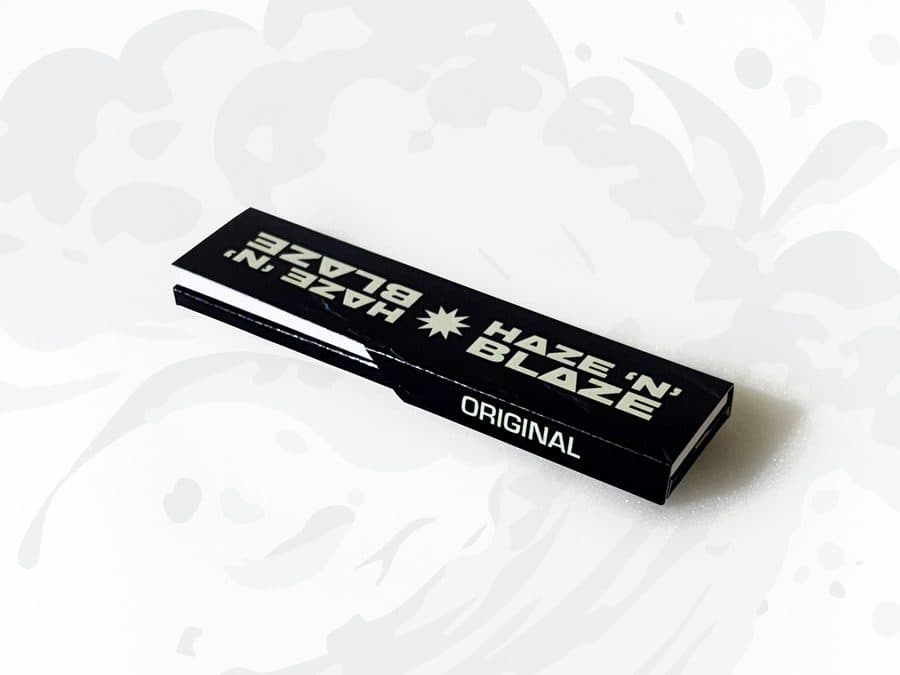
At Haze 'N' Blaze, the custom catalogue includes four King Size Slim booklet formats. This guide compares the decisions behind them and shows how to turn a preferred format into a useful enquiry. It is for adult business buyers planning their own accessory range, with the emphasis on specification and presentation.
Private label rolling papers: four starting formats
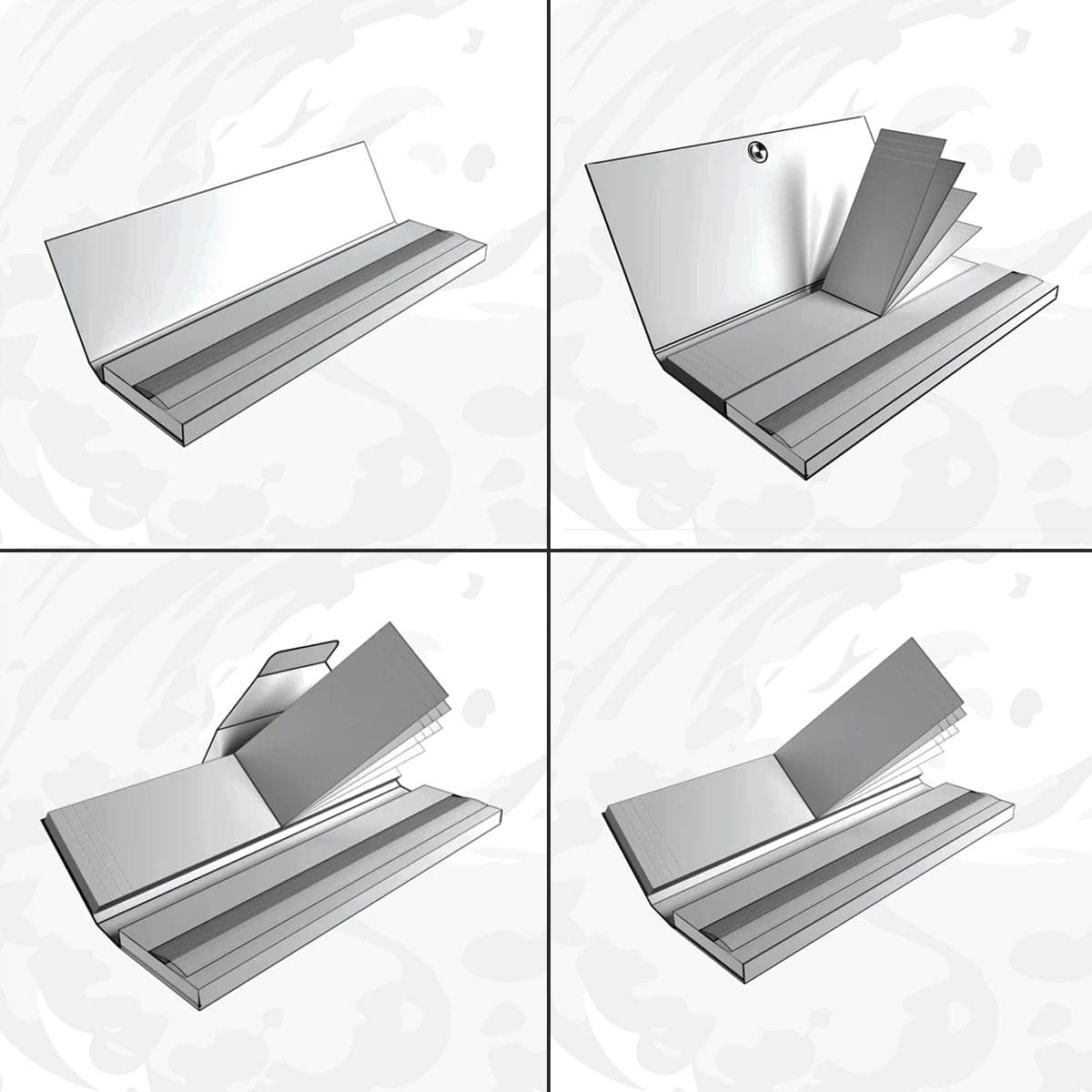
The catalogue lists King Size Slim without tips, King Size Slim with tips, a version with tips and a side lock, and a version with tips and a magnetic closure. These names describe different booklet configurations. They do not establish that every paper option, print area or packaging detail is identical across the range.
Start by deciding whether integrated tips belong in your product brief. Then decide whether you want the side-lock or magnetic format considered. If you are undecided, request a comparison of two named formats rather than asking for every possible combination. A focused comparison is easier to review and less likely to mix incompatible assumptions.
You can begin with the King Size Slim booklet with tips. Record its exact product name in your enquiry so that the quote, template and approval all refer to the same configuration.
Count booklets and boxes separately
Our catalogue lists 40 booklets per box for the no-tips format. The with-tips, side-lock and magnetic formats each list 26 booklets per box. Those counts matter when you compare quantities. A request for ten boxes does not mean the same number of booklets across all four products.
For illustration, ten boxes of the listed no-tips format contain 400 booklets. Ten boxes of a listed 26-booklet format contain 260. This is a planning calculation from the catalogue counts, not a minimum-order statement or a suggested purchase quantity. Ask for the supplier's order conditions separately.
Put both units on your internal plan: the number of individual booklets and the corresponding box count. If your preferred quantity does not divide evenly, ask how the final order will be packed. Resolve that before comparing offers, otherwise a lower total can simply represent fewer pieces.
Choose options without guessing their availability
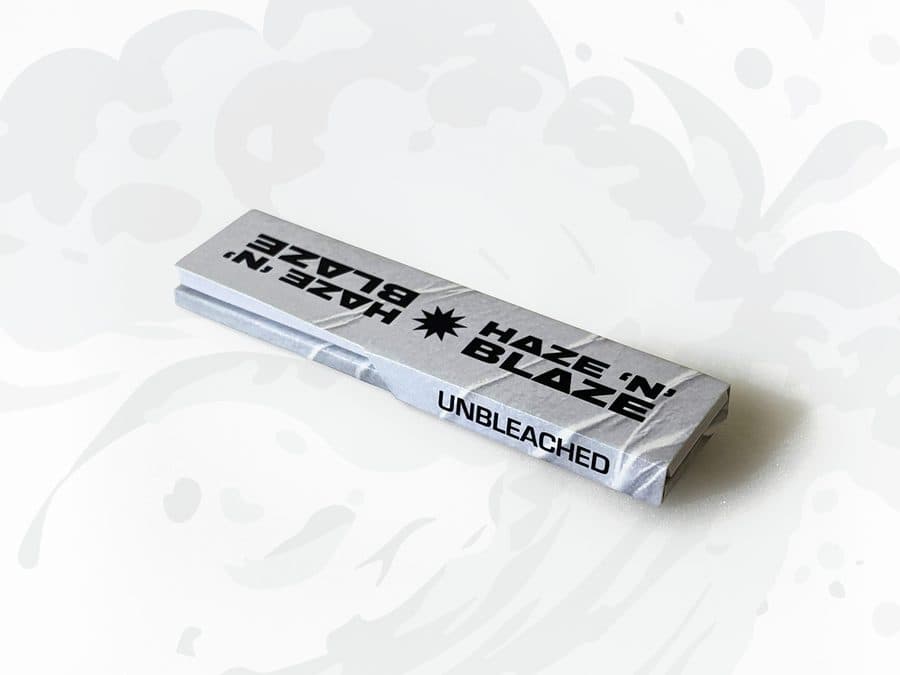
The catalogue mentions unbleached, hemp and coloured paper add-ons, alongside kraft and coloured tip add-ons. Use those entries to frame questions about your chosen booklet. Confirm which combination can be produced for that exact format and have it written into the quote.
Avoid treating a material name as a promise about performance or health. Your purchasing brief needs the actual paper option, tip option and booklet format. If you want further technical information, request it from the supplier and keep it with the product record rather than adding assumptions to customer-facing copy.
The magnetic booklet is a separate catalogue entry. If you compare it with the standard with-tips format, ask for the same artwork scope and order quantity in both enquiries. That makes the format choice easier to understand without attributing every difference to the closure.
Prepare the cover around the selected construction
Request the current template for the chosen booklet before drawing the cover. Ask the supplier to identify the printable panels, folds and any areas that must remain clear. Do not borrow a template from a visually similar product and assume it will fit.
Give your designer a short hierarchy: brand name first, variant name second, then any approved supporting text. Review the design at actual size as well as enlarged on screen. An attractive presentation slide can conceal a variant name that becomes difficult to read when printed on a small panel.
Keep the front, back and inside panels clearly labelled in the proof. If you commission several designs, assign each a reference and quantity. One general approval saying everything looks good leaves room for confusion about which file belongs to which booklet. Approve the specific combination of format, options and artwork version.
Turn the choice into a complete enquiry
Send the booklet name, paper and tip preferences, quantity in booklets, box-count assumptions, artwork status and destination. Include your target date as a request for confirmation. The catalogue's four-week note for Mylar pouches should not be transferred to paper booklets; ask for this product's schedule.
An illustrative brief could request King Size Slim with tips, one cover design, a stated paper preference and a quantity to be confirmed against packing rules. Attach the logo file and explain whether the layout is already prepared. Ask the supplier to return the confirmed specification alongside the production proof.
Before accepting, read that specification independently of the artwork. Check the product, options and counts first, then the spelling and placement. You can like the design while still having an unresolved packing question. Both parts should be settled before production approval.
Frequently asked questions
Does a box always contain 26 booklets?
No. The no-tips format lists 40; the three listed formats with tips each list 26. Confirm the chosen product and packing arrangement in your quote.
Can we choose paper before choosing the booklet?
You can state a preference, but ask the supplier to confirm the available combination for the exact format. Keep the confirmed combination in the final specification.
What should the first attachment be?
A usable logo file and a short written brief are a sensible start. Request the selected booklet's template before completing the layout.